
%20(1000%20×%20700%20px)%20(1000%20×%20650%20px)%20(1000%20×%20670%20px)-700x500w.png)
Installation Guidance
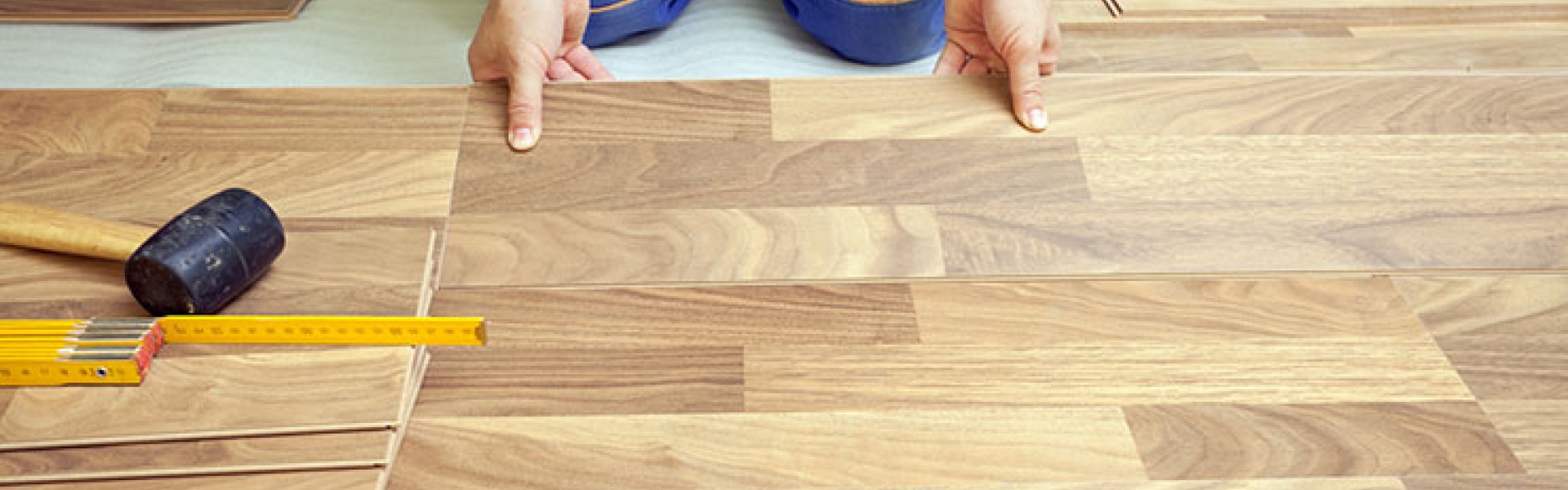
Required Tools For proper Installtaion
Power Tools (Optional)
•
Table Saw, Electric
Miter Saw, Band Saw, Chop Saw, Power Jamb Saw, or Jig Saw
Hand Tools (Optional)
•
Broom and dust pan or Vacuum
•
Tape Measure
•
Moisture meter (wood, concrete or both)
•
Chalk line & chalk
•
3M Blue Tape
•
Hand saw
•
Hammer
•
Rubber mallet
•
Tapping block
•
Pry bar
•
Filler stick and Touch-up marker
•
Hardwood Floor Cleaner
Additional
Tools for Glue-Down
(Optional)
•
Recommended
Adhesive & Adhesive
Remover
•
Trowel (Follow adhesive
manufacturer’s instruction)
Additional
Tools for Staple-Down Installation (Optional)
•
Pneumatic Stapler/Nailer (Goodfellow recommends the HIGH PRO stapler
Model AS-4090)
•
Staples/Flooring Cleats
•
Drill
Additional
Tools for Floating
Installation (Optional)
•
6 mil Polyethylene Vapor Barrier
•
Foam
Underlayment
• Floating Floor Glue (Goodfellow recommends the Goodfellow adhesive with a silicone base in a 474 ml bottle)
STEP BY STEP INSTALLATION INSTRUCTION
(Glued down application)
STEP *1 – Establish a starting line
- For best visual effect, it is recommended that flooring be installed parallel to the longest wall in the room.
- Using a chalk line the area between the wall and the chalk line becomes your working area for starting installation, and your last installation area for completing the installation.
STEP *2 – Spread the adhesive
- Apply the recommended adhesive with a trowel according to the manufacturer installation instructions (found on the adhesive pail) for the specific adhesive that is being used.
STEP *3 – Install the strips
- Always select your strips with care. The more deeply colored strips should be installed where they are less visible. Pieces with flaws should be recut.
- Using the working area to install your flooring, line up the first strip with the tongue facing the wall, then press the strip into the adhesive and against the holding block.
- Leave 1/4-inch (6 mm) between the wall and the end of each strip in each row.
- Start the second row with a strip of at least 6-inches (15 cm) shorter or longer than the strip used in the first row. This will avoid aligning or clustering the end joints.
- Continue with the subsequent rows in the same manner.
- To avoid shifting or gaping of the strips during installation, use 3M blue tape to hold them together. Remove the tape within 24 hours. Avoid use of masking tape, which leaves an adhesive residue and may damage the finish.
- When you get to the final row you will likely find it necessary to rip-saw the strips to fit against the wall. Install using the pry bar and leave 1/4 -inch (6 mm) minimum expansion spaces.
STEP *4 – Install the transition pieces
• Install any transition piece
that may be needed, such as
stair nosing, and reducers. These
products are available prefinished to blend with your flooring. Please
install these first so that you can match the next board easier, color match on
mouldings cannot be guaranteed due to the natural characteristics of wood
flooring.
• Reinstall
your baseboards and/or
quarter round mouldings. Be certain to nail the mouldings into the
wall, not the floor.
• Always keep a few spare strips from your initial installation for possible repairs in a sealed carton and properly stored
• Wait 24 hours before moving furniture and appliances back into the area where flooring was installed.
STEP-BY-STEP
INSTALLATION INSTRUCTION
(Nailed/stapled down application)
Set-up and Use of Pneumatic Staplers and Nailers
-Read and follow the manufacturer’s instructions for complete set-up and operation of equipment.
- Make sure the adapter size for the pneumatic stapler or nailer matches the thickness of the flooring being installed and that the tool’s adapter seats properly in the tongue of the flooring.
- Pneumatic nailer: Air pressure should be adjusted adequately for each species of hardwood floor installed and checked regularly (always try it before using).
STEP *1 – Establish a starting line
• Using a chalk line, draw a guideline.
• It is very important to start straight and square.
STEP *2 – Install the
floor
- Always select your strips with care. The more deeply colored strips should be installed where they are less visible (i.e. in a closet or under the refrigerator). Pieces with flaws should be recut.
- Use the longest, straightest strips available for the first row.
- Install the first row of flooring with groove facing starter wall.
- The first few rows must be nailed down by hand rather than with the nailing machine because of the vertical wall obstruction. Nailing interval should be at 6 inches. Leave 1/4-inch (6 mm) between the wall and the end of each strip in each row.
- Start the second row with a strip of a least 6-inch (15 cm) shorter or longer than the strip used in the first row. This will avoid aligning or clustering the end joints.
- When the area is free from wall obstruction, you can repeat the installation using a pneumatic stapler.
- It is also likely that you may have to ripsaw the strips to fit the final row against the wall. Leave 1/4 - inch (6 mm) minimum expansion spaces.
- Finally, install the transition pieces, baseboards and/or, quarter round mouldings.
STEP-BY-STEP INSTALLATION INSTRUCTION
(Floating
application)
STEP *1 – Install underlayments
- Install 6 mil Polyethylene vapor barrier over entire flooring surface. Overlap sheets of Polyethylene 16 inches and tape together creating airtight seal. Run the vapor barrier 1 to 1.5 inches up the walls and secure in place with tape.
- Using underlayment, roll out one roll at a time over the vapor barrier. There are many types of underlayments available today. The use of acoustical underlayment will improve the feel and sound transmission of your flooring.
STEP *2 – Preparing the starter rows
-It is very important that enough expansion gaps are kept between the flooring and all the walls. This is done by placing ¼ inch (6 mm) spacers every 8 inches apart around all vertical walls.
-Measure the width of the room – perpendicular to the direction you intend to install the flooring. The last row of flooring should be no less than 1 ½ inch wide. If it is less, you should rip-saw the starter row narrower. Leave 1/4-inch (6 mm) between the wall and the end of each strip in each row.
-Start the second row with a strip of at least 6-inches (15 cm) shorter or longer than the strip used in the first row. This will avoid aligning or clustering the end joints.
STEP *3 – Gluing the floor
-In a floating floor installation, the flooring is not glued or nailed to the underlayment but is glued in the board’s side and end grooves only.
-This is achieved by applying a bead of glue on the upper side of the groove along the entire length and on the end of each plank with silicone-based T & G glue. Turn the board upsidedown when applying the adhesive to achieve proper application, when the board is turned again forinstallation with the finish side up, this will allow the adhesive to flow down and give better coverage.Do not apply adhesive on the top of the tongue.
-Install the first row of flooring with groove facing starter wall. Use a tapping block and a mallet to gently push or tap the glued strips together until no gaps are seen and making sure that end joints are square.
-At the end wall use a pry bar, if needed, to pull the ends of the boards tight. Continue laying the floor on top of the underlayment, working left to right, tapping the strips tight together. Make sure to continue using ¼ inch spacers along the wall throughout the installation.
-To avoid shifting or gapping of the flooring during installation, lay perpendicular strips of 3M blue tape
- To hold the strips together. Remove the tape within 24 hours. Avoid use of masking tape, which leaves an adhesive residue and may cause damage to the finish.
-The last row will most likely require cutting to width, but it should be no less than 1 ½ inch wide. To do this, place a full row of strips on top of the last row installed. Insert a ¼ inch spacer against the wall, and using a full width strip, trace distance from wall onto final row. Cut strips for final row to designated width. Apply glue and pull into place with a pry bar.
-Allow floor to dry for a minimum of 12 hours before removing all the spacers and allowing foot traffic. Finally, install the transition pieces, baseboards and/or, quarter round mouldings.
546 Comment(s)
I am sure this paragraph has touched all the internet people, its really really pleasant article on building up new weblog.
The customer feedback on 오피스타 guides me to the best massage experiences.
This op사이트 순위 has never let me down when it comes to recommendations.
Having a 주소모음 like this one keeps my digital activities running smoothly.
누누티비's vast collection means there's always something new to watch.
I appreciate how 오피가이드 lists both luxury and affordable massage options.
It's so easy to connect with others on 부달 and share experiences.
The diverse selection on 웹툰 다시보기 keeps me coming back for more.
블랙툰 has introduced me to a world of limitless storytelling possibilities.
주소모음 has become my secret weapon for finding cool websites.
This sort of in search of get the enhancements made on this special lifestyle and diet, begin your L . a . Shifting the pounds diet solution is a huge procedure into accesing which usually hope. weight loss
The opstar team is attentive and highly skilled.
I'm always excited to try new places recommended by 오피가이드.
I find 오피 to be a valuable addition to my wellness routine.
Nice blog entre. I really have to say, good work.
I enjoy you because of all of your efforts on this website. Kim take interest in getting into investigations and it is easy to see why. We know all concerning the dynamic mode you produce priceless ideas by means of the web blog and as well as recommend participation from some other people on this area then our own daughter is certainly becoming educated a lot of things. Take pleasure in the remaining portion of the year. You’re carrying out a splendid job.
Youre so cool! I dont suppose Ive learn something like this before. So good to search out any person with some unique thoughts on this subject. realy thanks for starting this up. this website is one thing that’s wanted on the net, somebody with a bit originality. helpful job for bringing one thing new to the internet!
Explore our collection of modern cuts, classic pleats, and elegant tartans to find the ideal look that seamlessly blends tradition, fashion, and personal style.
I am really loving the theme/design of your web site. Do you ever run into any browser compatibility problems? A few of my blog readers have complained about my website not working correctly in Explorer but looks great in Chrome. Do you have any tips to help fix this issue?
I really like your article. It’s evident that you have a lot knowledge on this topic. Your points are well made and relatable. Thanks for writing engaging and interesting material.
Leave a Comment