
%20(1000%20×%20700%20px)%20(1000%20×%20650%20px)%20(1000%20×%20670%20px)-700x500w.png)
Installation Guidance
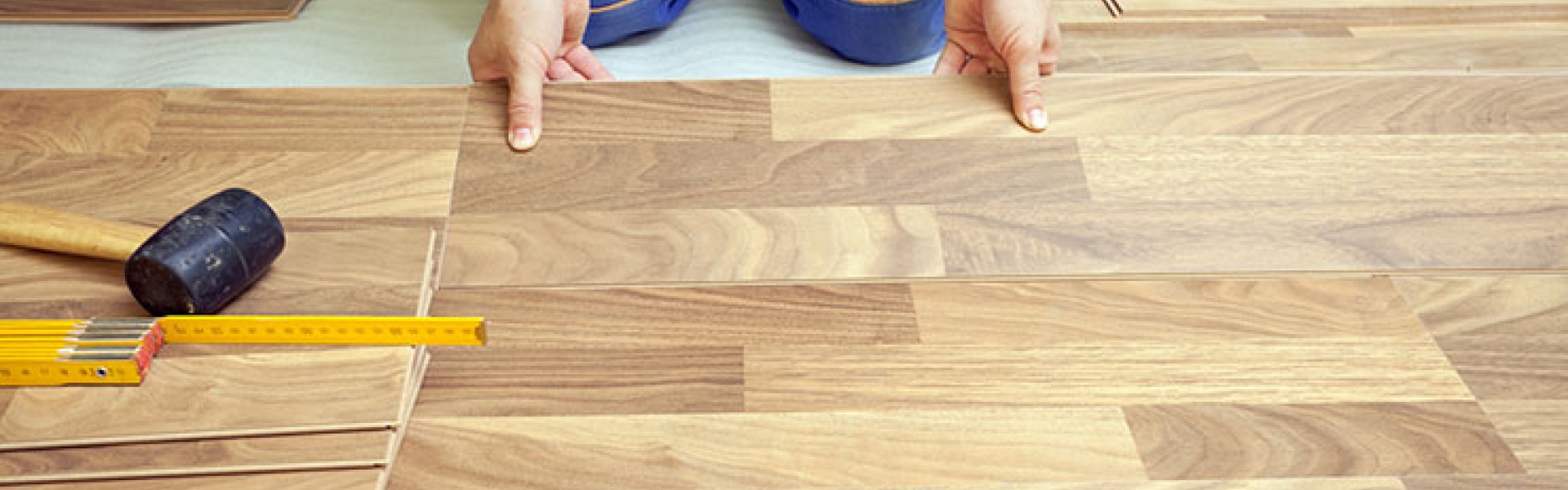
Required Tools For proper Installtaion
Power Tools (Optional)
•
Table Saw, Electric
Miter Saw, Band Saw, Chop Saw, Power Jamb Saw, or Jig Saw
Hand Tools (Optional)
•
Broom and dust pan or Vacuum
•
Tape Measure
•
Moisture meter (wood, concrete or both)
•
Chalk line & chalk
•
3M Blue Tape
•
Hand saw
•
Hammer
•
Rubber mallet
•
Tapping block
•
Pry bar
•
Filler stick and Touch-up marker
•
Hardwood Floor Cleaner
Additional
Tools for Glue-Down
(Optional)
•
Recommended
Adhesive & Adhesive
Remover
•
Trowel (Follow adhesive
manufacturer’s instruction)
Additional
Tools for Staple-Down Installation (Optional)
•
Pneumatic Stapler/Nailer (Goodfellow recommends the HIGH PRO stapler
Model AS-4090)
•
Staples/Flooring Cleats
•
Drill
Additional
Tools for Floating
Installation (Optional)
•
6 mil Polyethylene Vapor Barrier
•
Foam
Underlayment
• Floating Floor Glue (Goodfellow recommends the Goodfellow adhesive with a silicone base in a 474 ml bottle)
STEP BY STEP INSTALLATION INSTRUCTION
(Glued down application)
STEP *1 – Establish a starting line
- For best visual effect, it is recommended that flooring be installed parallel to the longest wall in the room.
- Using a chalk line the area between the wall and the chalk line becomes your working area for starting installation, and your last installation area for completing the installation.
STEP *2 – Spread the adhesive
- Apply the recommended adhesive with a trowel according to the manufacturer installation instructions (found on the adhesive pail) for the specific adhesive that is being used.
STEP *3 – Install the strips
- Always select your strips with care. The more deeply colored strips should be installed where they are less visible. Pieces with flaws should be recut.
- Using the working area to install your flooring, line up the first strip with the tongue facing the wall, then press the strip into the adhesive and against the holding block.
- Leave 1/4-inch (6 mm) between the wall and the end of each strip in each row.
- Start the second row with a strip of at least 6-inches (15 cm) shorter or longer than the strip used in the first row. This will avoid aligning or clustering the end joints.
- Continue with the subsequent rows in the same manner.
- To avoid shifting or gaping of the strips during installation, use 3M blue tape to hold them together. Remove the tape within 24 hours. Avoid use of masking tape, which leaves an adhesive residue and may damage the finish.
- When you get to the final row you will likely find it necessary to rip-saw the strips to fit against the wall. Install using the pry bar and leave 1/4 -inch (6 mm) minimum expansion spaces.
STEP *4 – Install the transition pieces
• Install any transition piece
that may be needed, such as
stair nosing, and reducers. These
products are available prefinished to blend with your flooring. Please
install these first so that you can match the next board easier, color match on
mouldings cannot be guaranteed due to the natural characteristics of wood
flooring.
• Reinstall
your baseboards and/or
quarter round mouldings. Be certain to nail the mouldings into the
wall, not the floor.
• Always keep a few spare strips from your initial installation for possible repairs in a sealed carton and properly stored
• Wait 24 hours before moving furniture and appliances back into the area where flooring was installed.
STEP-BY-STEP
INSTALLATION INSTRUCTION
(Nailed/stapled down application)
Set-up and Use of Pneumatic Staplers and Nailers
-Read and follow the manufacturer’s instructions for complete set-up and operation of equipment.
- Make sure the adapter size for the pneumatic stapler or nailer matches the thickness of the flooring being installed and that the tool’s adapter seats properly in the tongue of the flooring.
- Pneumatic nailer: Air pressure should be adjusted adequately for each species of hardwood floor installed and checked regularly (always try it before using).
STEP *1 – Establish a starting line
• Using a chalk line, draw a guideline.
• It is very important to start straight and square.
STEP *2 – Install the
floor
- Always select your strips with care. The more deeply colored strips should be installed where they are less visible (i.e. in a closet or under the refrigerator). Pieces with flaws should be recut.
- Use the longest, straightest strips available for the first row.
- Install the first row of flooring with groove facing starter wall.
- The first few rows must be nailed down by hand rather than with the nailing machine because of the vertical wall obstruction. Nailing interval should be at 6 inches. Leave 1/4-inch (6 mm) between the wall and the end of each strip in each row.
- Start the second row with a strip of a least 6-inch (15 cm) shorter or longer than the strip used in the first row. This will avoid aligning or clustering the end joints.
- When the area is free from wall obstruction, you can repeat the installation using a pneumatic stapler.
- It is also likely that you may have to ripsaw the strips to fit the final row against the wall. Leave 1/4 - inch (6 mm) minimum expansion spaces.
- Finally, install the transition pieces, baseboards and/or, quarter round mouldings.
STEP-BY-STEP INSTALLATION INSTRUCTION
(Floating
application)
STEP *1 – Install underlayments
- Install 6 mil Polyethylene vapor barrier over entire flooring surface. Overlap sheets of Polyethylene 16 inches and tape together creating airtight seal. Run the vapor barrier 1 to 1.5 inches up the walls and secure in place with tape.
- Using underlayment, roll out one roll at a time over the vapor barrier. There are many types of underlayments available today. The use of acoustical underlayment will improve the feel and sound transmission of your flooring.
STEP *2 – Preparing the starter rows
-It is very important that enough expansion gaps are kept between the flooring and all the walls. This is done by placing ¼ inch (6 mm) spacers every 8 inches apart around all vertical walls.
-Measure the width of the room – perpendicular to the direction you intend to install the flooring. The last row of flooring should be no less than 1 ½ inch wide. If it is less, you should rip-saw the starter row narrower. Leave 1/4-inch (6 mm) between the wall and the end of each strip in each row.
-Start the second row with a strip of at least 6-inches (15 cm) shorter or longer than the strip used in the first row. This will avoid aligning or clustering the end joints.
STEP *3 – Gluing the floor
-In a floating floor installation, the flooring is not glued or nailed to the underlayment but is glued in the board’s side and end grooves only.
-This is achieved by applying a bead of glue on the upper side of the groove along the entire length and on the end of each plank with silicone-based T & G glue. Turn the board upsidedown when applying the adhesive to achieve proper application, when the board is turned again forinstallation with the finish side up, this will allow the adhesive to flow down and give better coverage.Do not apply adhesive on the top of the tongue.
-Install the first row of flooring with groove facing starter wall. Use a tapping block and a mallet to gently push or tap the glued strips together until no gaps are seen and making sure that end joints are square.
-At the end wall use a pry bar, if needed, to pull the ends of the boards tight. Continue laying the floor on top of the underlayment, working left to right, tapping the strips tight together. Make sure to continue using ¼ inch spacers along the wall throughout the installation.
-To avoid shifting or gapping of the flooring during installation, lay perpendicular strips of 3M blue tape
- To hold the strips together. Remove the tape within 24 hours. Avoid use of masking tape, which leaves an adhesive residue and may cause damage to the finish.
-The last row will most likely require cutting to width, but it should be no less than 1 ½ inch wide. To do this, place a full row of strips on top of the last row installed. Insert a ¼ inch spacer against the wall, and using a full width strip, trace distance from wall onto final row. Cut strips for final row to designated width. Apply glue and pull into place with a pry bar.
-Allow floor to dry for a minimum of 12 hours before removing all the spacers and allowing foot traffic. Finally, install the transition pieces, baseboards and/or, quarter round mouldings.
546 Comment(s)
I do believe all the ideas you have presented for your post. They’re very convincing and can definitely work. Still, the posts are very quick for novices. Could you please lengthen them a little from next time? Thank you for the post.
Sorry for the huge review, but I’m really loving the new Zune, and hope this, as well as the excellent reviews some other people have written, will help you decide if it’s the right choice for you.
Games have been an essential part of human life for centuries. From traditional outdoor activities to modern digital entertainment, general games play a significant role in shaping physical health, mental strength, and social development.
I really like what you guys tend to be up too. This sort of clever work and coverage! Keep up the great works guys I've added you guys to my own blogroll.
I am sure this piece of writing has touched all the internet visitors, its really really fastidious article on building up new blog.
One Cash 365 supports safe withdrawals within your credit card limit, featuring affordable fees, rapid deposits, and live processing. Support is accessible 24/7 to protect your information.
After study a few of the blog articles for your website now, and that i really like your method of blogging. I bookmarked it to my bookmark site list and are checking back soon. Pls consider my internet site too and inform me what you consider.
Thank you, I’ve recently been looking for info about this subject for ages and yours is the greatest I’ve found out so far. But, what in regards to the bottom line? Are you sure concerning the supply?
I do believe all the ideas you have presented for your post. They’re very convincing and can definitely work. Still, the posts are very quick for novices. Could you please lengthen them a little from next time? Thank you for the post.
Erfahre alles über FAFO BS SMD – Hintergründe, Funktionen und Anwendungsbereiche der Technologie, mit Tipps zur sicheren Nutzung und hilfreichen Hinweisen für Interessierte.
General games play a crucial role in human life, offering fun, mental stimulation, and opportunities for social development.
Magnificent beat ! I would like to apprentice whilst you amend your website, how could i subscribe for a weblog site? The account helped me a appropriate deal. I had been a little bit acquainted of this your broadcast provided brilliant transparent idea
I see your point, and I totally appreciate your article. For what its worth I will tell all my friends about it, quite resourceful. Later.
I just added this web site to my google reader, great stuff. Can’t get enough!
HARGATOTO menyediakan akses login situs slot 1000 paling gacor dengan deposit via QRIS otomatis proses cepat, sistem stabil, dan alur bermain yang efisien.
Erfahre alles über FAFO BS SMD – Hintergründe, Funktionen und Anwendungsbereiche der Technologie, mit Tipps zur sicheren Nutzung und hilfreichen Hinweisen für Interessierte.
I was looking at some of your blog posts on this website and I believe this web site is real instructive! Keep posting .
I don’t normally comment on blogs.. But nice post! I just bookmarked your site
Previously you must have highly effective web business strategies get you started of getting into topics suitable for their web-based organization. educational
소액결제 현금화는 통신사(SKT, KT, LGU+)에서 부여한 월 휴대폰 소액결제 한도(최대 100만 원)를 이용해 상품권 등을 구매 후, 이를 전문 업체에 판매하여 수수료
Leave a Comment